Welcome to Zhuhai HDL Computer Products Co., Ltd.



HL2100B Rail-Mounted Industrial Gateway
Frequency bands: 370–590 MHz, 740–1180 MHz (Sub-1G)
Frequency band: 2.4 GHz (Wi-Fi)
Frequency Bands: 4G LTE FDD: B1/B3/B5/B7/B8/B20/B28; LTE TDD: B38/B39/B40/B41
隐藏域元素占位
Category:
Keywords:
4G
LTE
Cat1
Sub1Ghz
WiFi
MQTT
OTA
RS485
Modbus
File Download:
- Product Description
-
- Commodity name: HL2100B Rail-Mounted Industrial Gateway
<p> Frequency bands: 370–590 MHz, 740–1180 MHz (Sub-1G) </p> <p> Frequency band: 2.4 GHz (Wi-Fi) </p> <p> Frequency Bands: 4G LTE FDD: B1/B3/B5/B7/B8/B20/B28; LTE TDD: B38/B39/B40/B41 </p>
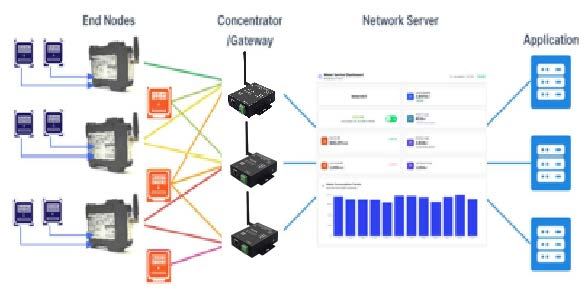
HDL has launched the IoT smart gateway HL2100, a core device that enables wireless sensors to access public networks. Data is transmitted wirelessly between the sensors and the gateway via Sub-1GHz technology. The gateway features a built-in 4G wireless communication module, allowing it to remotely transmit sensor-collected information—via the 4G public cellular network—to a central monitoring hub, while also supporting the issuance of control commands. This device leverages a high-performance 32-bit dual-core processor, an ultra-low-power co-processor, and a robust wireless communication module, backed by an embedded real-time operating system that ensures seamless data transmission. The product is ideally suited for a wide range of applications across the IoT ecosystem, including smart factories, intelligent water management, precision agriculture, smart communities, and advanced fire safety systems. With this device, users can achieve cloud-based management and scheduling of wireless sensor nodes, paving the way for truly transformative IoT application systems.
Typical Applications
Characteristics
• Employs a high-performance 32-bit dual-core LX7 processor (with clock speeds up to 240 MHz), an ultra-low-power co-processor, and a full-fledged WIFI subsystem (802.11b/g/n);
• Supports wireless data transmission over Sub-1GHz networks, delivering high interference resistance, high sensitivity, low power consumption, and ultra-long transmission range;
• Low-power design supports multi-level sleep and wake-up modes, minimizing power consumption to the greatest extent;
• Built-in solar control chip allows direct use of the solar panel, eliminating the need for an external MPPT;
•WDT watchdog design ensures the device operates stably over the long term;
• Employs a comprehensive anti-disconnection mechanism to ensure the data terminal remains online at all times;
• Lightning protection for antenna interface;
• Supports 2.4GHz Wi-Fi for local parameter configuration and device OTA firmware upgrades;
• Smart data terminal, which can enter data transmission mode upon startup;
• Built-in standard TCP/IP (4/6) protocol stack, supporting transparent data transmission;
• Receive sensor information via 408–565 MHz and 816–1080 MHz Sub-1GHz signals
• Supports 4G LTE Cat1 communication
• The gateway can simultaneously receive information from up to 1,000 devices.
• If the gateway cannot connect to the internet or MQTT, the data received will be stored in the gateway’s memory.
• Can store data for at least 60 days (under specified operating conditions).
• Once the connection is reestablished, all data will be uploaded to MQTT in chronological order.
• Internal flash buffer for data processing and uploading.
• Able to list all RSSI readings for each detected Sub-1GHz device.
• Power, network, and battery status indicators. This button is used to turn the gateway on/off or reset it.
• On the settings page, options include the MQTT server address, IP address, Wi-Fi connection settings, and channel counts below 1 GHz, among others.
• Data will be pushed to the customer’s MQTT broker
The enclosure meets the IP67 protection rating.
Specifications
4G 4G network LTE FDD: B1/B3/B5/B7/B8/B20/B28; LTE TDD: B38/B39/B40/B41;
Supports major global frequency bands and can
Customization.Theory Bandwidth LTE FDD: Up to 10 Mbps (download), 5 Mbps (upload)
LTE TDD: Up to 8.96 Mbps (download), 3.1 Mbps (upload)Transmitting power The third category of LTE FDD frequency band (23 dBm ± 2 dB)
LTE TDD frequency band Class 3 (23 dBm ± 2 dB)Antenna Supports major global frequency bands and can
Customization.Below 1 GHz Frequency Frequency band 408~565 MHz (customizable)
816~1080 MHz (default)Antenna 3dBi (length: 29 cm) or 5dBi (length: 100 cm) Outdoor Communication Distance > 2 kilometers Modulation Chirp IoT™ Transmitting power -30dBm to 20dBm Maximum Link Budget 163 decibels Sensitivity -143 dBm @ 62.5 kHz ChirpIoT™: This series of chips and platforms, entirely owned by Panchip, represents independently developed low-power wide-area IoT technology with proprietary intellectual property rights. Internet of Things Technology 2.4G Wi-Fi Frequency Frequency band IEEE 802.11 b/g/n Parameters Settings Local Wi-Fi Configuration Firmware Upgrade Local/Remote Firmware Upgrade Transmitting power 10dBm Antenna Built-in antenna Predefined SSID ChirpLAN Gateway (Code: 123456789) Physical and environmental parameters Size 210 × 210 × 60 mm Materials ABS, Die-Cast Aluminum Alloy Operation
Temperature-30~+70ºC Work
Humidity5% to 95% relative humidity (no condensation) Storage Temperature -40~+85°C Power supply Pattern Built-in rechargeable lithium battery, 7.4V, 1.4Ah (replaceable capacity)
12V 2.5A DC External Power Supply / Solar Panel, 19V/50W DCPackaging
1 HL2100 Gateway One 2 4G Antenna One 3 868MHz Antenna One 4 Switch-mode power supply One 5 Simple Manual One Installation
It is recommended to install the equipment at a height of more than 2 meters above ground level, and whenever possible, choose a higher-lying location—such as an open area on a building rooftop with no surrounding obstructions. If special circumstances require installation in a basement, the site should be selected based on the actual conditions of the location. When mounting the equipment, it’s best to secure it to a sturdy, reliable wall; ensure that any drilled holes and expansion screws used for installation remain tight and stable. During installation, position the equipment as close as possible while still allowing the antenna to extend above the wall and remain free of nearby obstacles. Additionally, if there are tall obstructions like lightning rods nearby, make sure the minimum distance between the antenna and the obstacle exceeds 0.6 meters.
Disclaimer
This document provides information about HDL products but does not grant any express or implied intellectual property licenses. Except for the liabilities specified in the sales terms and conditions, we assume no further responsibility. We make no express or implied warranties regarding the sale or use of our products, including merchantability for a particular purpose, fitness for a specific use, or any other liability for infringement of patents, copyrights, or other intellectual property rights. We reserve the right to modify specifications and descriptions at any time without prior notice.
Previous Page
Next Page
Product Details
HDL has launched the IoT smart gateway HL2100, a core device that enables wireless sensors to access public networks. Data is transmitted wirelessly between the sensors and the gateway via Sub-1GHz technology. The gateway features a built-in 4G wireless communication module, allowing it to remotely transmit sensor-collected information—via the 4G public cellular network—to a central monitoring hub, while also supporting the issuance of control commands. This device leverages a high-performance 32-bit dual-core processor, an ultra-low-power co-processor, and a robust wireless communication module, backed by an embedded real-time operating system that ensures seamless data transmission. The product is ideally suited for a wide range of applications across the IoT ecosystem, including smart factories, intelligent water management, precision agriculture, smart communities, and advanced fire safety systems. With this device, users can achieve cloud-based management and scheduling of wireless sensor nodes, paving the way for truly transformative IoT application systems.
Typical Applications
Characteristics
• Employs a high-performance 32-bit dual-core LX7 processor (with clock speeds up to 240 MHz), an ultra-low-power co-processor, and a full-fledged WIFI subsystem (802.11b/g/n);
• Supports wireless data transmission over Sub-1GHz networks, delivering high interference resistance, high sensitivity, low power consumption, and ultra-long transmission range;
• Low-power design supports multi-level sleep and wake-up modes, minimizing power consumption to the greatest extent;
• Built-in solar control chip allows direct use of the solar panel, eliminating the need for an external MPPT;
•WDT watchdog design ensures the device operates stably over the long term;
• Employs a comprehensive anti-disconnection mechanism to ensure the data terminal remains online at all times;
• Lightning protection for antenna interface;
• Supports 2.4GHz Wi-Fi for local parameter configuration and device OTA firmware upgrades;
• Smart data terminal, which can enter data transmission mode upon startup;
• Built-in standard TCP/IP (4/6) protocol stack, supporting transparent data transmission;
• Receive sensor information via 408–565 MHz and 816–1080 MHz Sub-1GHz signals
• Supports 4G LTE Cat1 communication
• The gateway can simultaneously receive information from up to 1,000 devices.
• If the gateway cannot connect to the internet or MQTT, the data received will be stored in the gateway’s memory.
• Can store data for at least 60 days (under specified operating conditions).
• Once the connection is reestablished, all data will be uploaded to MQTT in chronological order.
• Internal flash buffer for data processing and uploading.
• Able to list all RSSI readings for each detected Sub-1GHz device.
• Power, network, and battery status indicators. This button is used to turn the gateway on/off or reset it.
• On the settings page, options include the MQTT server address, IP address, Wi-Fi connection settings, and channel counts below 1 GHz, among others.
• Data will be pushed to the customer’s MQTT broker
The enclosure meets the IP67 protection rating.
Specifications
| 4G | |
| 4G network | LTE FDD: B1/B3/B5/B7/B8/B20/B28; LTE TDD: B38/B39/B40/B41; Supports major global frequency bands and can Customization. |
| Theory Bandwidth | LTE FDD: Up to 10 Mbps (download), 5 Mbps (upload) LTE TDD: Up to 8.96 Mbps (download), 3.1 Mbps (upload) |
| Transmitting power | The third category of LTE FDD frequency band (23 dBm ± 2 dB) LTE TDD frequency band Class 3 (23 dBm ± 2 dB) |
| Antenna | Supports major global frequency bands and can Customization. |
| Below 1 GHz | |
| Frequency Frequency band | 408~565 MHz (customizable) 816~1080 MHz (default) |
| Antenna | 3dBi (length: 29 cm) or 5dBi (length: 100 cm) |
| Outdoor Communication Distance | > 2 kilometers |
| Modulation | Chirp IoT™ |
| Transmitting power | -30dBm to 20dBm |
| Maximum Link Budget | 163 decibels |
| Sensitivity | -143 dBm @ 62.5 kHz |
| ChirpIoT™: This series of chips and platforms, entirely owned by Panchip, represents independently developed low-power wide-area IoT technology with proprietary intellectual property rights. Internet of Things Technology | |
| 2.4G Wi-Fi | |
| Frequency Frequency band | IEEE 802.11 b/g/n |
| Parameters Settings | Local Wi-Fi Configuration |
| Firmware Upgrade | Local/Remote Firmware Upgrade |
| Transmitting power | 10dBm |
| Antenna | Built-in antenna |
| Predefined SSID | ChirpLAN Gateway (Code: 123456789) |
| Physical and environmental parameters | |
| Size | 210 × 210 × 60 mm |
| Materials | ABS, Die-Cast Aluminum Alloy |
| Operation Temperature | -30~+70ºC |
| Work Humidity | 5% to 95% relative humidity (no condensation) |
| Storage Temperature | -40~+85°C |
| Power supply Pattern | Built-in rechargeable lithium battery, 7.4V, 1.4Ah (replaceable capacity) 12V 2.5A DC External Power Supply / Solar Panel, 19V/50W DC |
Packaging
| 1 | HL2100 Gateway | One |
| 2 | 4G Antenna | One |
| 3 | 868MHz Antenna | One |
| 4 | Switch-mode power supply | One |
| 5 | Simple Manual | One |
Installation
It is recommended to install the equipment at a height of more than 2 meters above ground level, and whenever possible, choose a higher-lying location—such as an open area on a building rooftop with no surrounding obstructions. If special circumstances require installation in a basement, the site should be selected based on the actual conditions of the location. When mounting the equipment, it’s best to secure it to a sturdy, reliable wall; ensure that any drilled holes and expansion screws used for installation remain tight and stable. During installation, position the equipment as close as possible while still allowing the antenna to extend above the wall and remain free of nearby obstacles. Additionally, if there are tall obstructions like lightning rods nearby, make sure the minimum distance between the antenna and the obstacle exceeds 0.6 meters.
Disclaimer
This document provides information about HDL products but does not grant any express or implied intellectual property licenses. Except for the liabilities specified in the sales terms and conditions, we assume no further responsibility. We make no express or implied warranties regarding the sale or use of our products, including merchantability for a particular purpose, fitness for a specific use, or any other liability for infringement of patents, copyrights, or other intellectual property rights. We reserve the right to modify specifications and descriptions at any time without prior notice.
Related Products
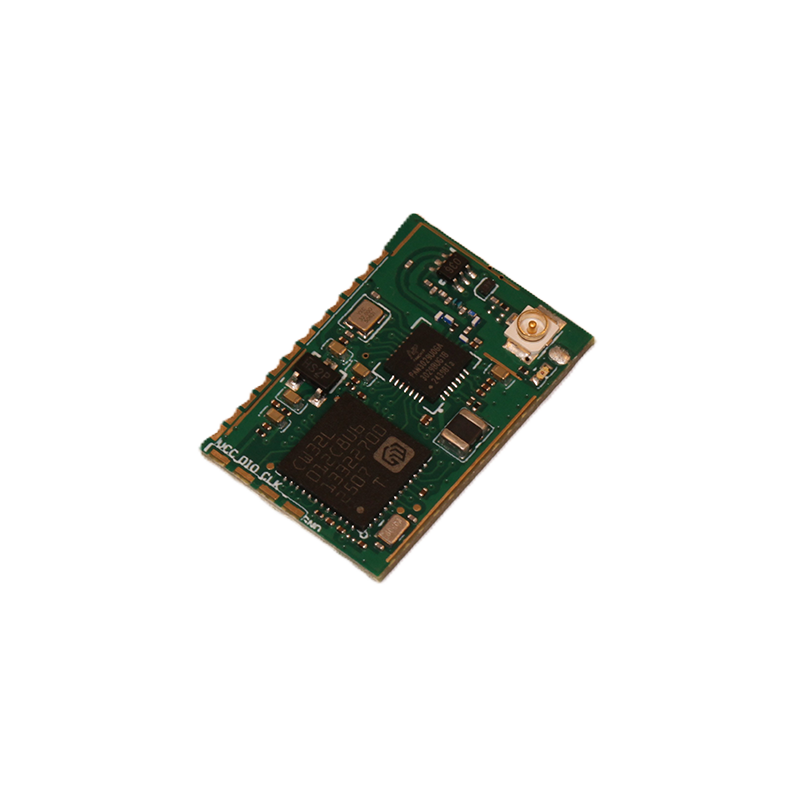
HL3029 Sub-1GHz Pass-Through Module
Frequency bands: 370–590 MHz, 740–1180 MHz
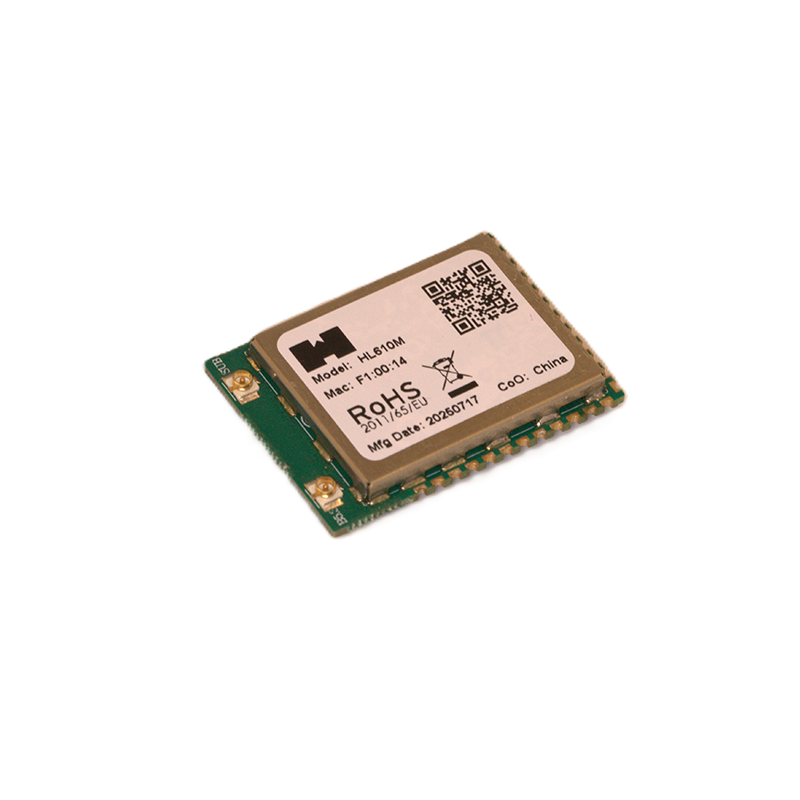
Frequency bands: 370–590 MHz, 740–1180 MHz Frequency band: 2.4 GHz
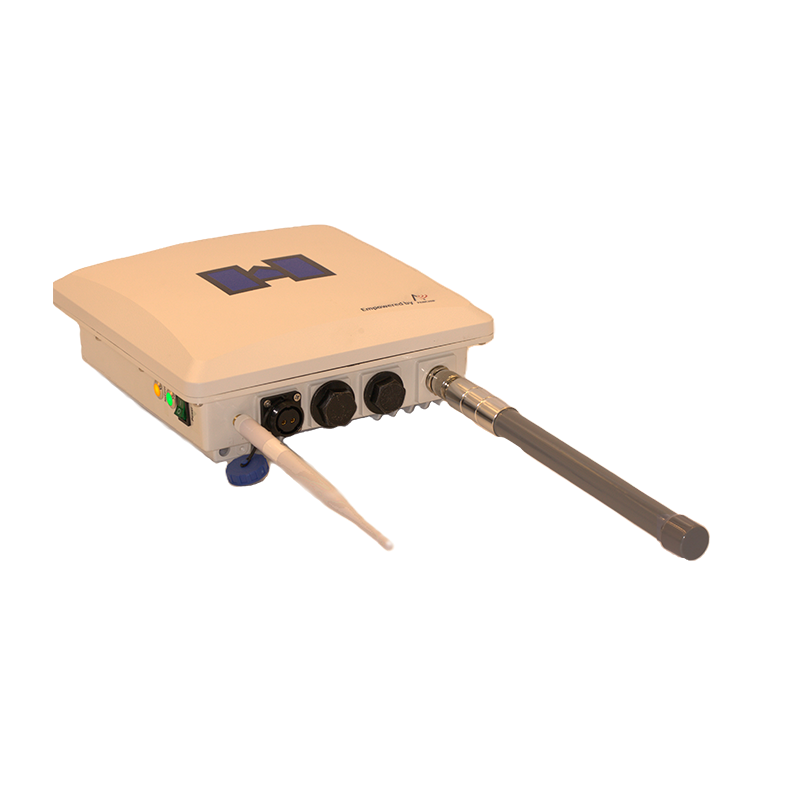
HL2100 Outdoor Industrial Gateway
Frequency bands: 370–590 MHz, 740–1180 MHz (Sub-1G)
Frequency band: 2.4 GHz (Wi-Fi)
Frequency Bands: 4G LTE FDD: B1/B3/B5/B7/B8/B20/B28; LTE TDD: B38/B39/B40/B41
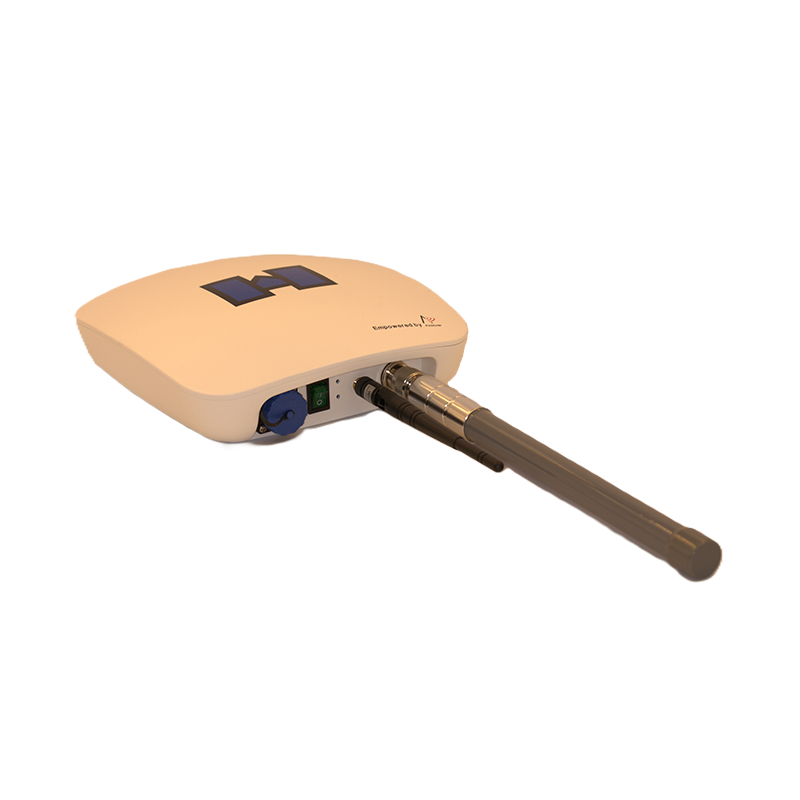
HL2100 Indoor Industrial Gateway
Frequency bands: 370–590 MHz, 740–1180 MHz (Sub-1G)
Frequency band: 2.4 GHz (Wi-Fi)
Frequency Bands: 4G LTE FDD: B1/B3/B5/B7/B8/B20/B28; LTE TDD: B38/B39/B40/B41
Online Consultation
We can recommend suitable products based on your needs. Please fill out the form below, and we will contact you promptly! Please enter content...
Contact Number
Company Address
No. 1, Pingxi 6th Road, Nanping Science and Technology Industrial Park, Xiangzhou District, Zhuhai City, Guangdong Province (Postal Code: 519060)


Follow us